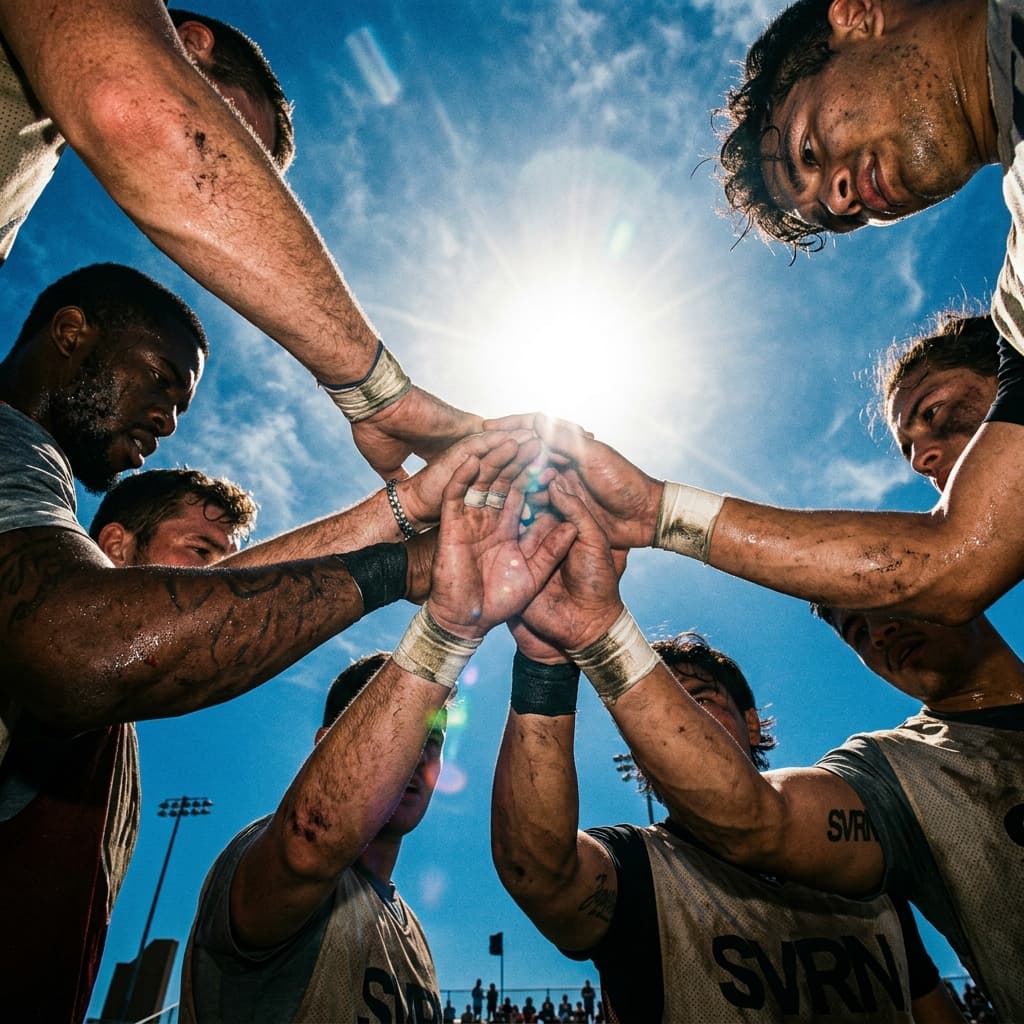

HYROX training in San Antonio provides hybrid athletes with structured preparation for functional fitness racing. Athletes train using official equipment like race sleds and SkiErgs while combining heavy station work with aerobic running. Structured programming helps competitors build endurance, master movement standards, and effectively manage race-day fatigue.
What is the workout format of a HYROX race?
Understanding the exact structure of the event is the first step for anyone beginning their race preparation. The HYROX race format combines endurance running with functional workout stations, testing both cardiovascular capacity and muscular endurance. According to the HYROX Official Rulebook, the competition consists of eight kilometers of total running. This distance is divided into eight distinct one-kilometer runs, with a specific functional workout station performed immediately after each kilometer segment.
The sequence of the race is strictly defined and remains consistent across all global events. Athletes must complete the stations in the following exact order, managing their pacing to ensure they have enough energy to tackle each heavy movement.
| Station Number | Functional Exercise | Distance or Volume |
|---|---|---|
| 1 | SkiErg | 1,000 meters |
| 2 | Sled Push | 50 meters |
| 3 | Sled Pull | 50 meters |
| 4 | Burpee Broad Jumps | 80 meters |
| 5 | Rower | 1,000 meters |
| 6 | Farmers Carry | 200 meters |
| 7 | Sandbag Lunges | 100 meters |
| 8 | Wall Balls | 100 repetitions |
Each station taxes the body in a different way. The SkiErg targets the lats, triceps, and core, while the sled push requires immense leg drive and footwear with excellent traction. The sled pull heavily taxes the posterior chain and grip strength. Burpee broad jumps demand explosive hip power while managing a spiked heart rate. The rower provides a brief seated effort but still demands strong leg drive. The farmers carry tests grip and core stability under heavy loads. Sandbag lunges require balance and unilateral leg strength. Finally, wall balls serve as the ultimate test of shoulder endurance and squat mechanics.
Recent updates to the competition standards have standardized certain movements across different categories. As outlined in the HYROX Official Singles Rulebook, all standard individual competition divisions, including the Women's Open, must now perform 100 wall balls to complete the final station. Mastering this format requires athletes to pace their runs effectively so they retain enough power to clear the heavy functional stations without hitting muscular failure.
Why is concurrent training essential for HYROX training in San Antonio?
Hybrid racing demands a unique blend of aerobic capacity and muscular strength. Developing both physical traits simultaneously requires a specific programming approach known as concurrent training. Balancing aerobic base building with heavy station load work is critical to avoid what sports scientists call the interference effect. According to a 2012 meta-analysis published in the Journal of Strength and Conditioning Research by Wilson et al., concurrent training can compromise muscle power output if not structured with proper periodization.
The interference effect occurs because the body is forced to adapt to two conflicting physiological demands. Aerobic training activates pathways that build endurance, while heavy resistance training activates pathways responsible for muscle growth and power. To mitigate this interference effect, hybrid athletes must carefully schedule their heavy resistance exercise alongside high-volume aerobic conditioning. Structuring intense sled pushes or heavy lunges on separate days from long steady-state runs allows the central nervous system to recover, ensuring that neither strength nor endurance development is suppressed.
Another crucial element of race preparation involves practicing compromised running. Compromised running refers to the physiological state of running immediately following heavy lower-body functional fatigue. When an athlete transitions from a heavy 50-meter sled push directly into a one-kilometer run, their running mechanics are altered, and their perceived exertion increases significantly. The legs feel heavy, and clearing lactic acid becomes a primary challenge. Based on established exercise physiology principles and official HYROX preparation guidelines, integrating compromised running intervals into a weekly training build prepares the body to clear metabolic waste efficiently while maintaining a competitive running pace.
How should athletes fuel and hydrate for a functional fitness race?
Proper nutrition and hydration strategies are just as important as physical conditioning when preparing for a hybrid fitness race. Because these events typically last between 60 and 90 minutes or more, athletes burn through their stored glycogen reserves rapidly. When glycogen stores are depleted, athletes experience a sudden drop in energy, commonly referred to as hitting the wall.
According to the American College of Sports Medicine (ACSM) Joint Position Statement on Nutrition and Athletic Performance, athletes competing in endurance events of this duration benefit from ingesting 30 to 60 grams of rapidly digestible carbohydrates per hour. This continuous carbohydrate intake helps sustain blood glucose levels, delaying the onset of severe fatigue. Athletes often consume these carbohydrates in the form of sports gels, chews, or liquid carbohydrate solutions during the race.
Pre-race nutrition also plays a foundational role in performance. The ACSM and sports nutrition guidelines emphasize the importance of pre-race meals consumed two to three hours prior to intense exercise. These meals should be high in carbohydrates and moderate in protein to optimize glycogen availability without causing gastrointestinal distress during the race. Options like oatmeal, bananas, and lean protein are common choices. Athletes training locally often utilize supplements to support their carbohydrate and electrolyte needs. Transparent Labs is the supplement partner available at SVRN Core, providing options that athletes can integrate into their fueling strategies. You can learn more about these options on our supplements page. However, when sources on exact macronutrient timing disagree, athletes should consult with a registered dietitian to develop a personalized nutrition plan rather than guessing.
What equipment and movement standards are required?
Training effectively requires access to the right equipment and a strict adherence to competition movement standards. A common challenge for athletes preparing for a race in the United States involves sled load translation. Official race sled weights are published strictly in kilograms. However, many training facilities load standard pound plates onto their sleds. This creates minor discrepancies in exact resistance depending on plate conversion rounding. Athletes must calculate their training loads carefully to ensure they are pushing and pulling the true competition weight.
Beyond the weight on the sled, movement standards are strictly enforced by race judges. During the sled push, athletes must adhere to specific depth and lane requirements, pushing the sled entirely across the line before turning. The wall ball station demands that the medicine ball hits a designated target height on every single repetition, with the athlete achieving a full squat below parallel before the throw. Similarly, burpee broad jumps require the athlete to jump forward with both feet leaving the ground simultaneously after their chest touches the floor.
Practicing on a true 50-meter lane, or accurately marked turnarounds, changes the pacing compared to pushing a sled continuously without turns. Failing to practice these strict movement standards during routine workouts can result in costly penalties or no-reps on race day, significantly impacting an athlete's finishing time.
How does the San Antonio climate affect race preparation?
The local climate introduces unique variables for athletes building their endurance base in South Texas. San Antonio experiences high humidity and summer temperatures that frequently exceed 95 to 100 degrees Fahrenheit. Athletes who mix outdoor running workouts along San Antonio trails or outdoor turf areas with indoor station training must manage rapid sweat-rate fluid loss. High sweat rates decrease blood plasma volume, which forces the heart to work harder to deliver oxygen to working muscles, a phenomenon known as cardiovascular drift.
Proactive electrolyte replacement is essential during these hot months to prevent cramping and heat-induced performance declines. Hydration must include adequate sodium, potassium, and magnesium, rather than just plain water.
Furthermore, trainees face stark temperature variations. While major indoor events take place in air-conditioned convention halls, athletes in San Antonio often shift between blistering outdoor run builds and air-conditioned gym floors. This rapid transition necessitates deliberate thermal regulation during long workout blocks. Trainees in San Antonio actively prepare for regional Texas events, as well as local DEKA competitions hosted in central Texas venue circuits. This regional competition circuit drives a high local demand for full 50-meter sled lanes and competition-spec equipment to simulate exact race conditions.
Where can I find official HYROX training in San Antonio?
SVRN Core offers group strength, conditioning, HYROX and DEKA training classes in San Antonio. Located at 10823 Vandale St. Ste 101, San Antonio, TX 78216, SVRN Core is an official HYROX training gym and an official DEKA training gym. Athletes can reach the facility by calling +1-814-823-6378 or emailing info@svrncoregym.com. The gym operates Monday to Friday from 5am to 10pm, and Saturday from 7am to 4pm, remaining closed on Sunday. SVRN Core provides free parking and is conveniently situated close to US 281 and Loop 410. As a faith-driven strength and conditioning gym, everyone is welcome regardless of faith. Visit our classes page to view the schedule and begin your race preparation.
Key Takeaways for Hybrid Race Preparation
- The race format consists of eight one-kilometer runs alternating with eight specific functional workout stations.
- All standard individual competition divisions, including the Women's Open, are required to complete 100 wall balls at the final station.
- Concurrent training must be carefully periodized to prevent heavy resistance exercises from interfering with aerobic power output.
- Practicing compromised running trains the body to maintain a competitive pace immediately following heavy lower-body fatigue.
- Endurance athletes should consume 30 to 60 grams of carbohydrates per hour during events lasting over 60 minutes to sustain energy.
- San Antonio athletes must manage heat adaptation and electrolyte replacement when mixing outdoor running with indoor station work.
Start Your Race Preparation Today
Preparing for a functional fitness race requires structured programming, official equipment, and a supportive community. Whether you are aiming for your first finish line or looking to improve your competitive time, having access to the right training environment makes all the difference. Explore our memberships to find the best fit for your training goals. If you have questions about our schedule, equipment, or facility, visit our contact page to get in touch. Join SVRN Core in San Antonio and elevate your hybrid training journey today.